Many personal injury and premises liability cases turn on a single question: what were the actual conditions on the ground at the moment of the fall? As a Certified Consulting Meteorologist, I reconstruct the snow, ice, and freezing-rain conditions at a specific address and time so that attorneys can establish — or challenge — how and when a hazard formed. Although slip-and-fall cases are quite common the outcome can turn on subtle clues in the data and evidence.
Black Ice, Melting, and Refreezing
Black ice rarely appears in a simple weather summary. Determining whether ice was present at the time of a fall usually requires analyzing the sequence of temperature, precipitation, and surface conditions in the hours beforehand — including the melt-and-refreeze cycles that can create ice long after the last snowfall. I reconstruct that timeline from official station data and radar.
“Storm in Progress” and Notice
A central issue in many winter slip-and-fall claims is whether a storm was still in progress at the time of the incident, and whether the property owner had a reasonable opportunity to address the hazard. I document precipitation start and end times, intensity, and accumulation so the record shows whether conditions were ongoing or had ended long enough for notice to be at issue.
Freezing Rain, Sleet, and Icing
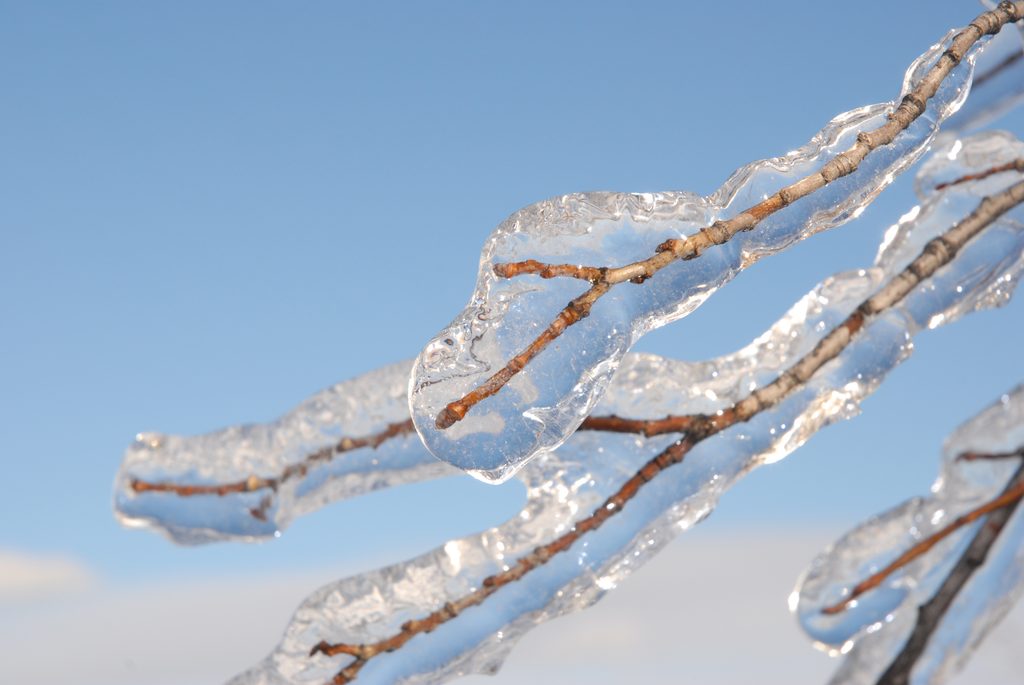
Freezing rain produces some of the most dangerous and most contested surface conditions. I determine when freezing precipitation began, how much accumulated, and how long icing persisted — distinguishing natural accumulation from other contributing factors.
Conditions at a Specific Location
General forecasts describe conditions across a wide region. Litigation requires conditions at one address. I use the nearest reliable observations, radar, and professional judgment to estimate accumulation and surface conditions at the specific location and time in question.
FAQ
Not always with certainty, but I can reconstruct the temperature and precipitation sequence that determines whether ice was likely to have formed and persisted at that location and time, and explain the basis for the conclusion.
It concerns whether winter precipitation was still ongoing when the incident occurred, which can affect a property owner’s duty to clear a hazard. I document precise storm timing to address it.
Official National Weather Service and NCEI station records, Doppler radar, and, where available, nearby private weather-station data.